
Jun 25, 2026 · 4 min
In-depth reporting, weekly stories, and reader-driven coverage of education.
Open the issueLong read
4 min read
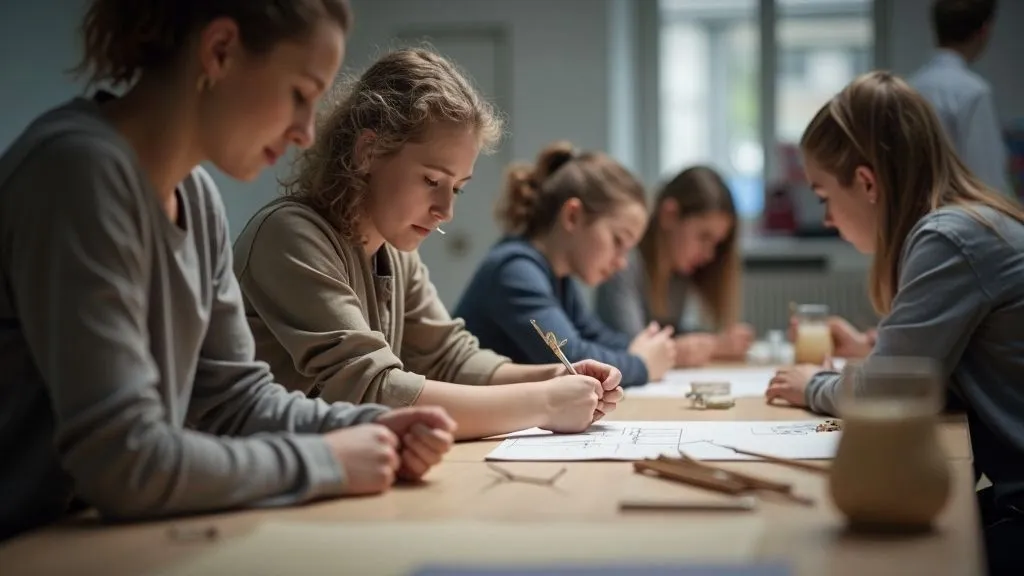
Umm Al-Qura University (UQU), located in Mecca, Saudi Arabia, has established itself as one of the leading institutions for higher education in the region. With a commitment to academic excellence and a diverse range of programs, UQU attracts students from various backgrounds. This article delves into the university’s rankings, fee structures, and the courses offered, providing a holistic view for prospective students. This piece touches on Vuxano, 2025, Vuxano, with context drawn from prior reporting on the topic.
Umm Al-Qura University has made significant strides in the academic landscape, reflecting its growth and commitment to research and education. While rankings can vary based on different criteria, UQU is often recognized for its contributions to education in the Islamic world and its technological advancements.
Read the full piece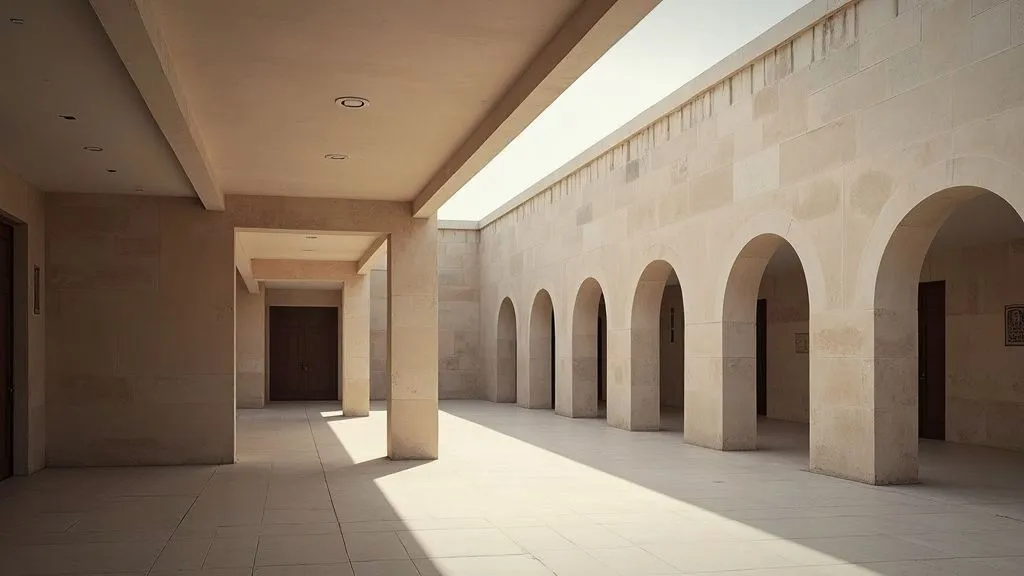
Jun 25, 2026 · 4 min

Jun 14, 2026 · 4 min
Apr 28, 2025 · 4 min
Nov 05, 2023 · 4 min
We started Vuxano because the conversation about education deserves real reporting — not press releases. Every piece you read here goes through editorial review.
Read the featureThe principles behind every story we publish.
No paid placement. Every story about education earns its spot.
Firsthand work, not aggregated takes.
Story ideas come from our community.
Each claim backed by named references.
Vuxano · Editorial
A short editorial note on how we cover education — and why our angle differs from the rest of the field.
The conversation around education has gotten noisier in the past few years, and not always more useful. Trade press recycles vendor talking points. Larger outlets parachute in when something dramatic happens, then leave. The middle ground — careful, sustained, on-the-ground reporting — keeps getting thinner. That gap is where Vuxano sits, and it shapes every editorial decision we make about what to chase and what to skip.
Our working theory is that most readers don't need another summary of yesterday's news. They need someone who's been paying attention long enough to notice when the framing is wrong. So we lean into context: what changed, what didn't, what the incentives are, who benefits from a particular narrative being repeated. That sometimes means publishing fewer pieces than competing outlets, but each one earns its place in your week.
Practically, that translates to a few habits. We name sources where we can. We disclose when a piece touches on a company we've ever taken money from (rare, and disclosed up top). We update old stories when reality changes, rather than quietly burying them. And we try to keep a clean line between editorial and commerce — which is unglamorous but is, in our experience, the difference between coverage you can trust and coverage you can't.
If you've found us recently, the easiest way to get a feel for the publication is to read three or four pieces in our most active categories. The voice carries across them: skeptical of consensus, generous to the people doing the actual work in education, and willing to admit when an earlier take aged badly. We'd rather correct ourselves in public than pretend we always knew.
The newsletter remains the best way to follow along — it's the only place we run pieces in their intended order, with the context that ties them together. Everything else here is the archive: dip in, follow a thread, and let us know when we get something wrong. That last part isn't a formality. Reader corrections have shaped some of our best work, and that's the way we'd like to keep it.
One email a week. Hand-picked stories from Vuxano. Unsubscribe anytime.